
In wedding photographs from abroad, friends in dresses of the same colour stand beside the bride, and friends in matching suits beside the groom. In Korea too, a wedding party is becoming more common, mostly among international couples and at outdoor ceremonies. Here are the origins as they are told, and the role today.
The stories told about their origins
There is no single agreed origin. The accounts below are those given by overseas media, closer to widely repeated stories than to history verified from sources.
- Witnesses in ancient Rome: Mental Floss's historical roles of the wedding party says Roman law required ten witnesses at a wedding, which is thought to be the seed of the bridal party.
- Why they dress alike: attendants are said to have dressed like the bride so that evil spirits or jealous suitors could not single her out. Bustle's history of bridesmaids adds that when brides travelled long distances to the groom's town, the group also served as protection.
- The best man: the groom's closest friend is said to have helped guard or fetch the bride, which is why the most trusted person stood in that place.
- Children: a child scattering petals symbolised a fruitful future.
The Victorian era: today's look takes shape
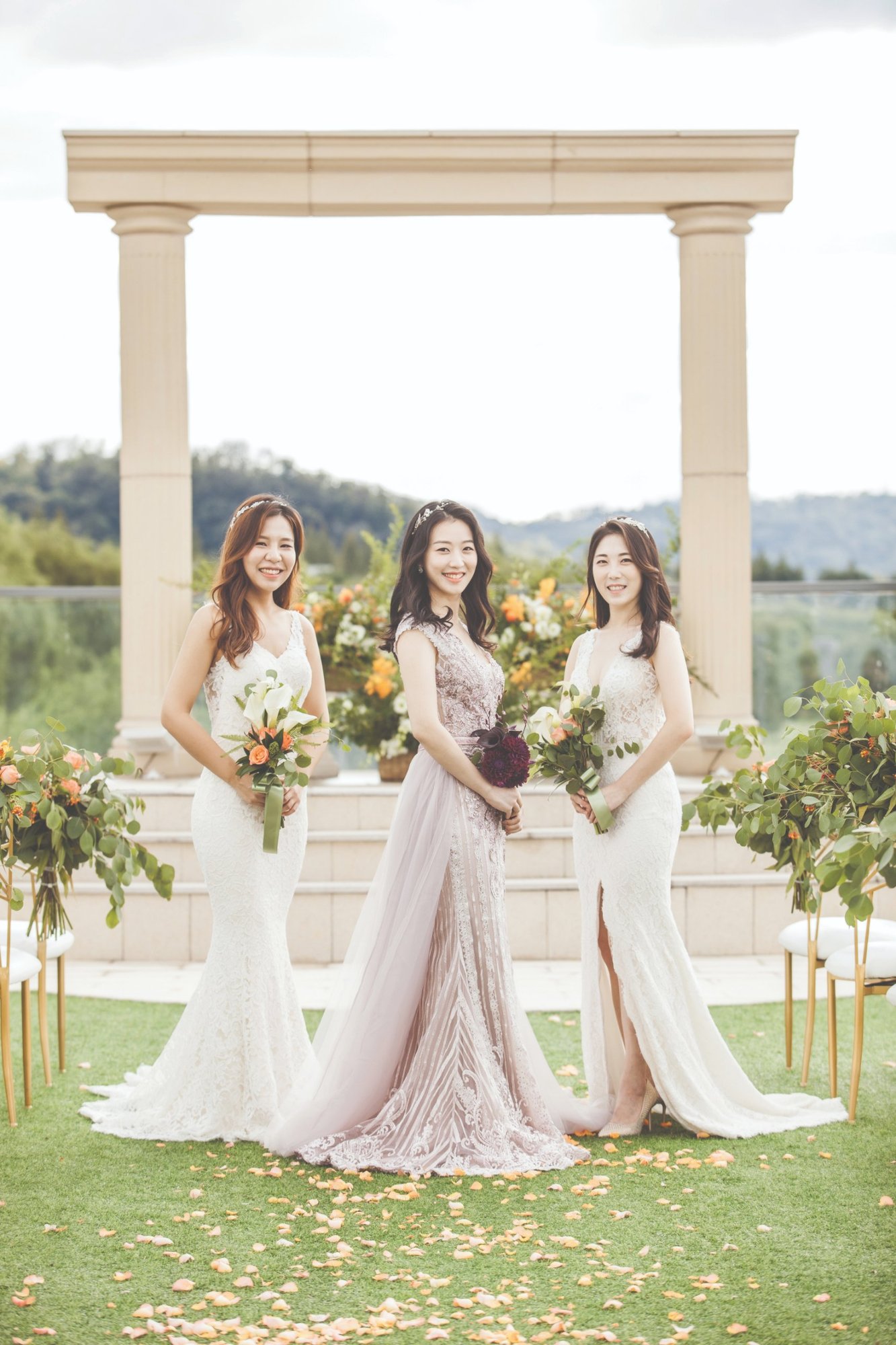
Bustle's article points to Queen Victoria's wedding in 1840 as the start of bridesmaids in matching dresses. Her attendants wore white dresses similar to the bride's. According to Mental Floss, Victorian bridesmaids were younger than the bride and made small favours for guests from ribbons and flowers.
The same wedding is credited with spreading the white wedding dress, so a good part of the Western wedding as we picture it comes from that one day.
What the wedding party does today
Today's attendants do not guard the bride. They prepare with her.
- Maid of honour and best man: the closest person on each side. They hold the rings, give a toast and keep the day on schedule.
- Bridesmaids and groomsmen: they join the gatherings beforehand, walk in the procession and help guests on the day.
- Flower girl and ring bearer: children who scatter petals or carry the rings.
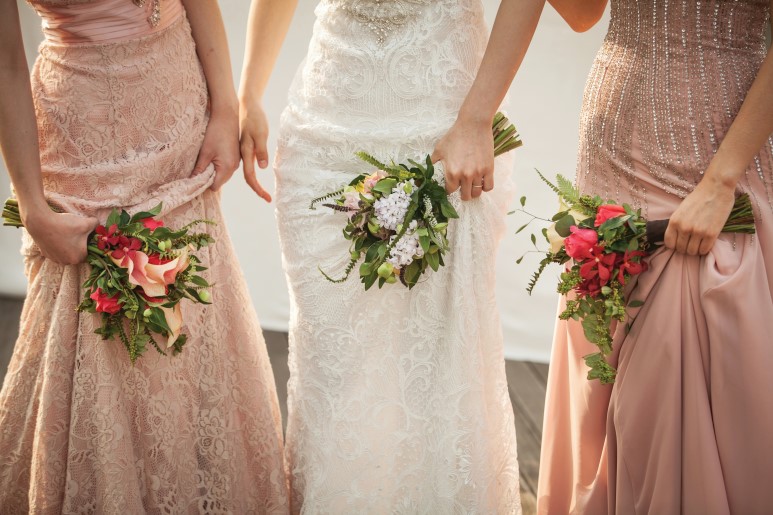
Bustle notes recent changes as well. More couples set a colour and let each person choose their own outfit, and more no longer divide the sides by gender.
Including a wedding party in a Korean ceremony
A wedding party is not yet a familiar element in Korea, so it feels most natural when numbers and duties are kept light.
- Two to four people on each side. Look at the width of the aisle and the stage first.
- Match the colour only. Asking people to wear something they own in the same colour family reduces the burden.
- One duty each. Carrying the rings, a toast, guiding guests, or arranging the bride's dress.
- Decide whether they join the procession. When the party enters first, the bride's entrance stands out more.
- Tell the older generation beforehand. For an unfamiliar element, one line in the programme helps.
What to check when applying this in Korea
| What to check | Why it matters |
|---|---|
| Size of the bridal room and any separate waiting room | The party needs space to get ready and take photographs together |
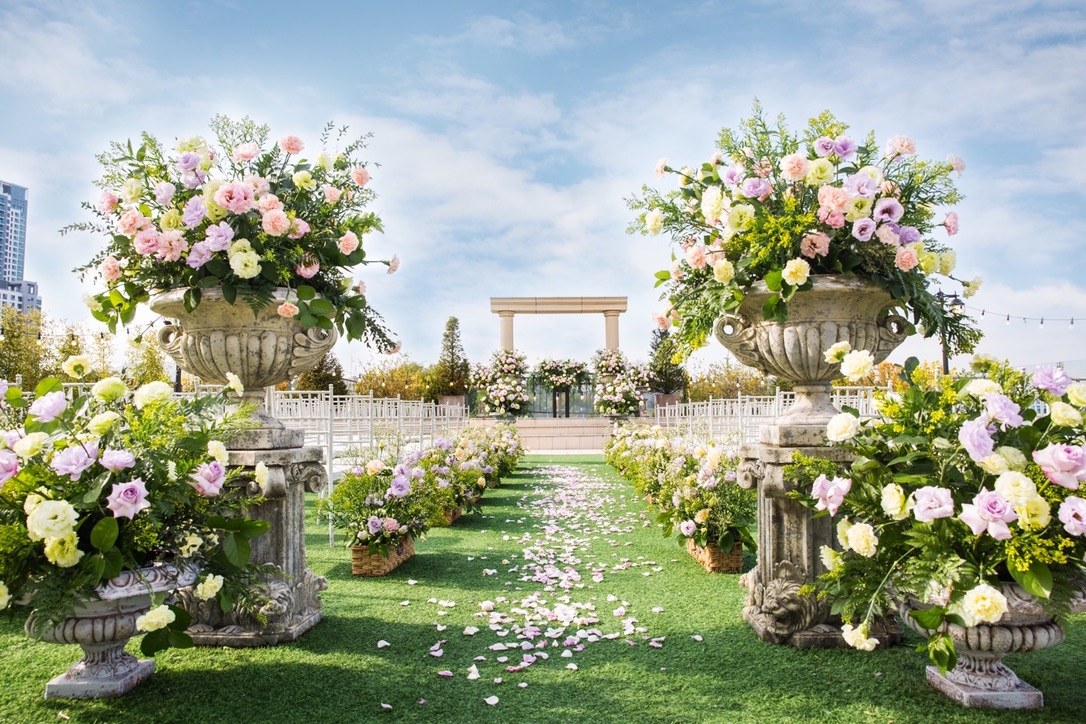
| Width of the aisle and stage | It decides how many can stand on each side |
| Rehearsal time | The order of entrance and positions should be walked through once |
| Whether the running order can be adjusted | The procession and toasts need time |
| Bouquets and boutonnieres for the party | They need to be in the flower quote |
| Whether the time slot is generous | A longer procession takes longer |
Summary
- The origin of the wedding party is told in several ways, from Roman witnesses to a group protecting the bride, and none is established as the single answer.
- Matching dresses are said to date from Queen Victoria's wedding in 1840.
- In Korea, it works best with a small party, a shared colour and one duty each.
Sources
- Mental Floss, 21 Historical Roles and Responsibilities of the Wedding Party
- Bustle, Where Did The Tradition Of Bridesmaids Come From?