
Weddings in Korea are often kept concise, at around an hour. It is a format considerate of busy guests and has its own strengths. Overseas, a wedding is thought of as an event that takes up an evening. Here is how the same day differs at one hour and at three or more, set against overseas timetables. (As of December 2026)
The overseas benchmark: five hours for the reception alone
The Knot's reception timeline guide puts the average wedding reception at about five hours: one hour of cocktails and four of dinner and dancing. Its sample timetable runs like this.
| Time | Item |
|---|---|
| 5:30 | Cocktail hour begins |
| 6:30 | Guests seated |
| 6:45 | Couple's entrance, first dance |
| 7:10 | Welcome and parents' toast |
| 7:20 | First course |
| 7:35 | Speeches from the wedding party |
| 7:55 | Main course |
| 8:25 | Dancing |
| 9:45 | Cake cutting and dessert |
| 11:00 | Close |
Zola's guide to reception length reaches the same conclusion: most receptions run five to seven hours and should not be shorter than four, because dinner alone takes an hour and a half to two hours.
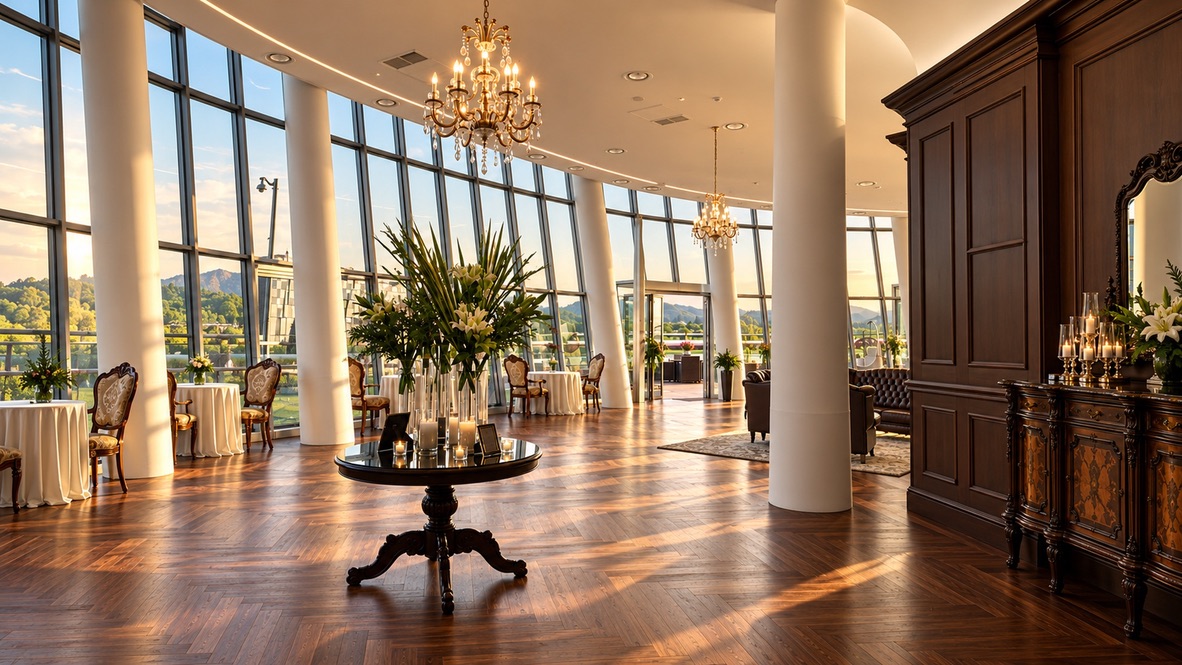
What is missed when time is short
A one-hour wedding is concise, and in return has few gaps between the parts.
- Time to greet people. It is hard for the couple to talk at length with each guest.
- Choices in the running order. Two speeches, a word from the parents, a unity ritual — add one and the time runs over.
- Room for photographs. Group photographs are taken in a hurry.
- The link between ceremony and meal. When ceremony and meal are in different places, the couple has less time to eat with their guests.
- The overseas guests' experience. Guests who have come a long way would like to stay a little longer.
What three hours or more makes room for
Three hours is short by overseas standards, but it is the length at which gaps begin to open between the parts. This timetable assumes ceremony and meal in one space.
| Elapsed | Item | What the extra time gives |
|---|---|---|
| 0:00–0:30 | Welcome reception (drinks, canapés) | Guests have something in hand as they arrive |
| 0:30–1:10 | Ceremony | Vows and speeches need not be cut |
| 1:10–1:30 | Group photographs; cocktails for guests | Photographs do not push the next part back |
| 1:30–2:40 | Meal | Toasts and cake fit between courses |
| 2:40–3:00+ | Table greetings, leading into the after-party | The couple sits down at every table |
A welcome reception works best in a room separate from the ceremony hall. While guests take refreshments and greet one another, the hall can be finished, and those who arrive early are not left waiting.
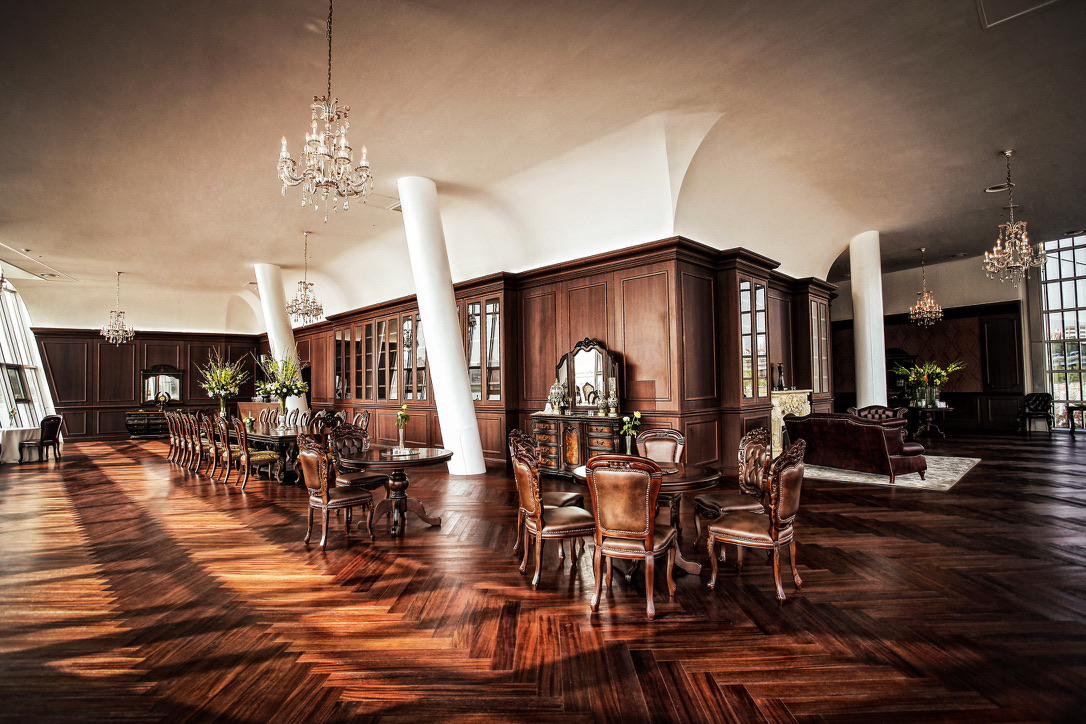
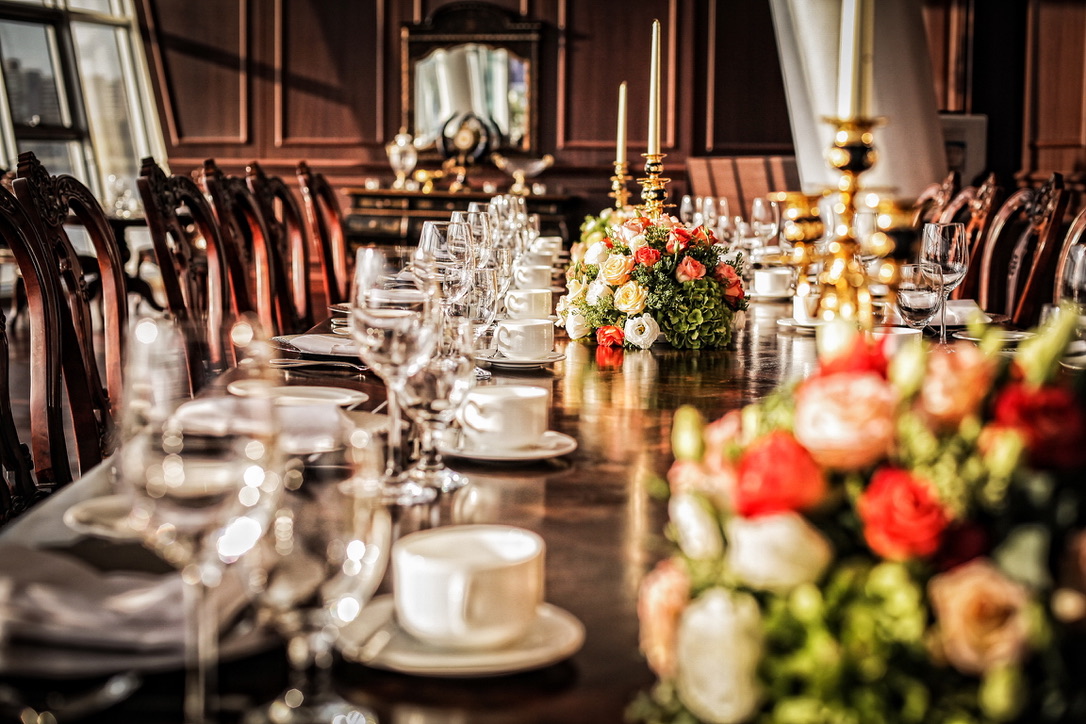
The key is the last twenty minutes. It is the time guests remember as having talked with the couple.
Longer is not always better
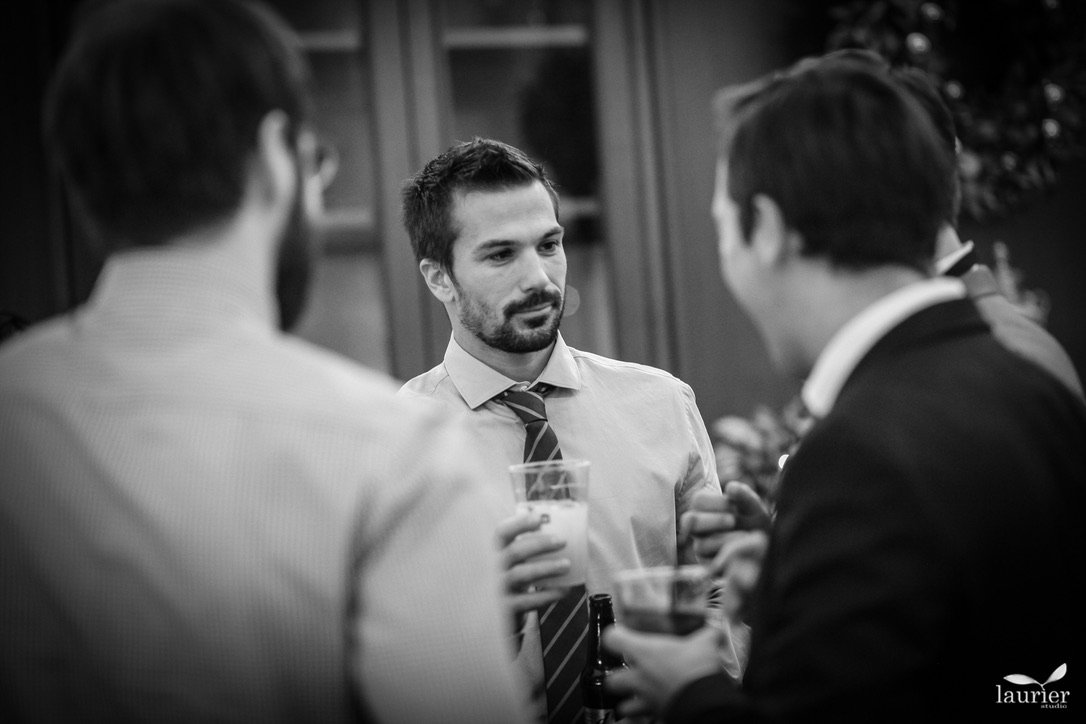
Zola warns of the other side too. Dancing beyond about two hours starts to tire, and a party is better ended while guests still want more. The same applies to guests in Korea. A structure that closes part one with the meal, so older guests can leave when it ends, and keeps part two (the after-party) for those who wish to stay, puts no strain on anyone.
What to check when applying this in Korea
| What to check | Why it matters |
|---|---|
| The total length of the slot | Check whether it includes the pre-ceremony reception |
| The interval between weddings | A short interval lets setting up and clearing eat into your time |
| Whether ceremony and meal share one space | Without a move, the gaps fill with conversation |
| Whether the time can be extended, and by when to decide | An extension on the day needs prior agreement |
| Whether there is a space to carry on into an after-party | Move part two elsewhere and half the guests drop away |
| Last shuttle and parking hours | A longer wedding's plan includes the way home |
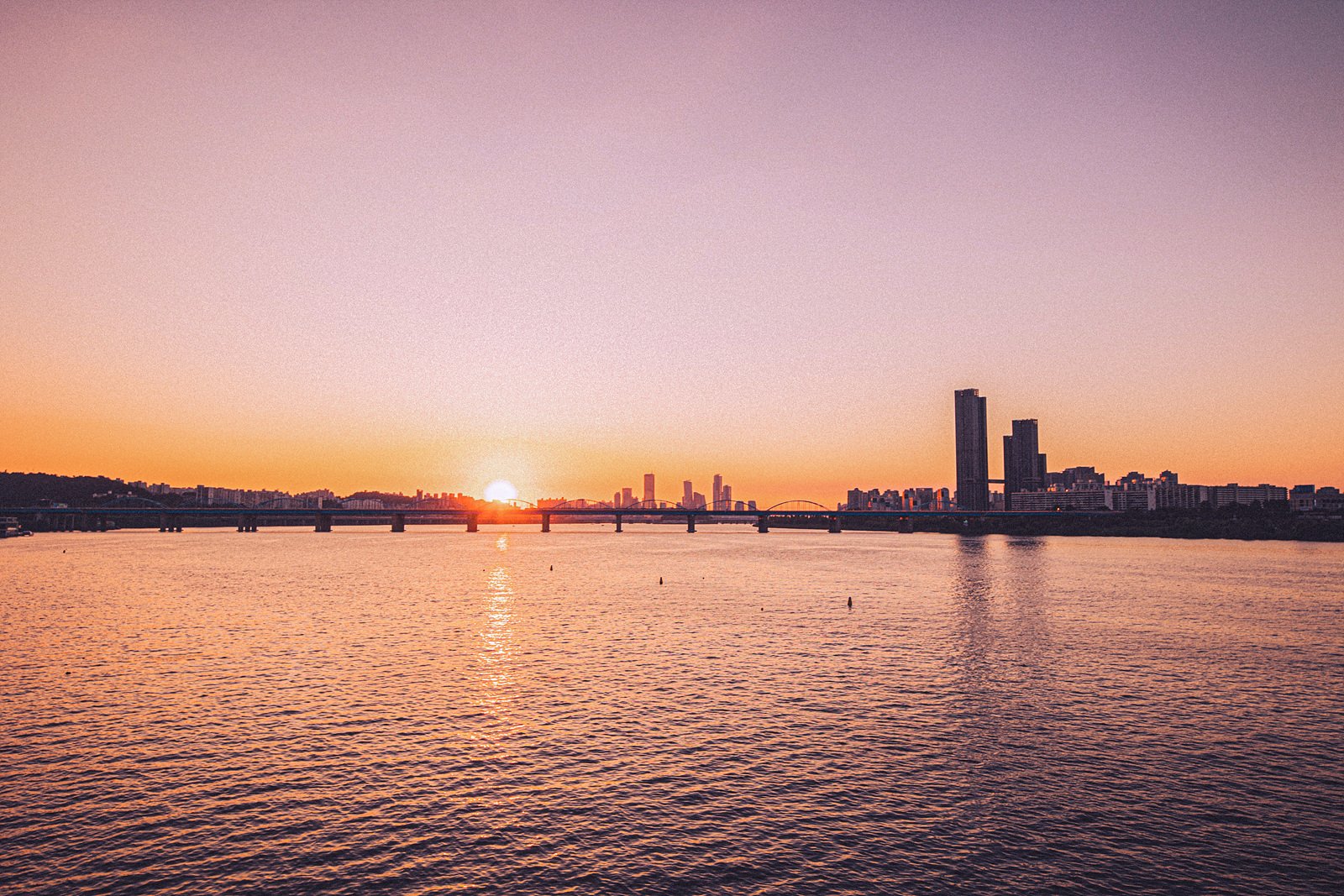
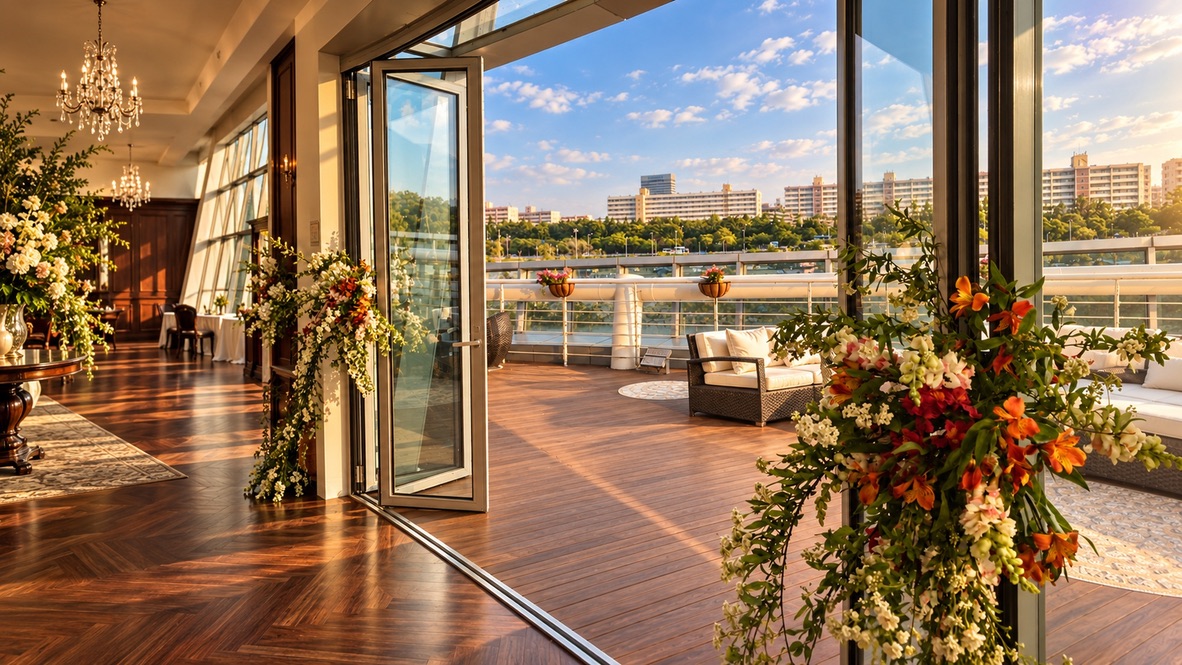
For example, Sevit Island and Marina Park on the Han River in Seoul work on the principle of a generous time slot of three hours or more including the pre-ceremony reception, lead from ceremony into meal and after-party in the same place, and adjust the time by prior agreement. When choosing a venue, ask first how many hours the slot is in total and whether that includes the pre-ceremony reception.
Summary
- Overseas receptions average five hours, with a minimum of four
- What is missed when time is short is not a part of the order but the gaps between the parts
- Three hours or more makes room for a welcome reception, an uncut ceremony and table greetings
- Close part one with the meal; make the after-party part two