
The wedding party, from cocktail hour to after-party, is not a way of adding time. It is a design that shifts guests' tension and energy in stages. (As of November 2026)
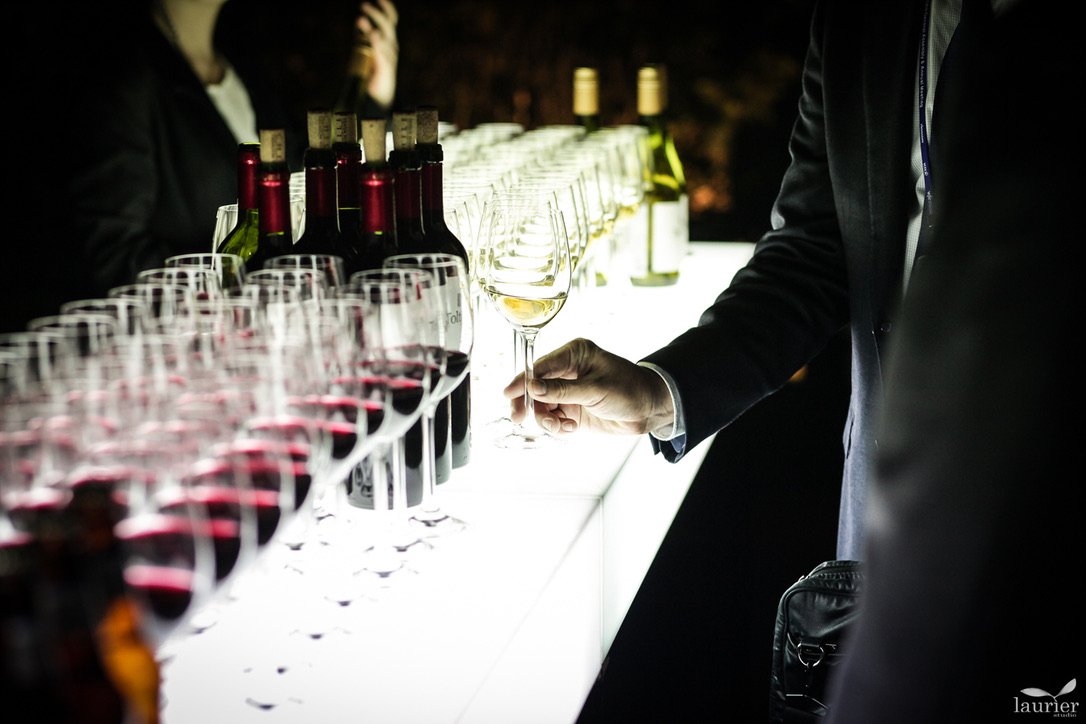
Cocktail hour: not a wait but the first party
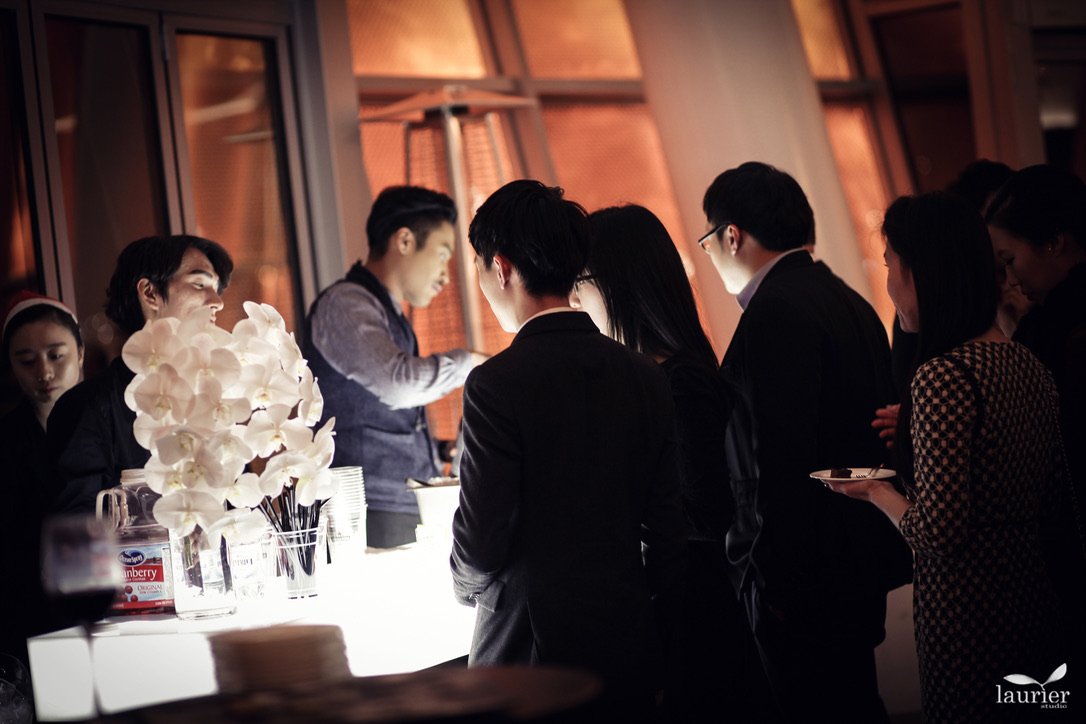
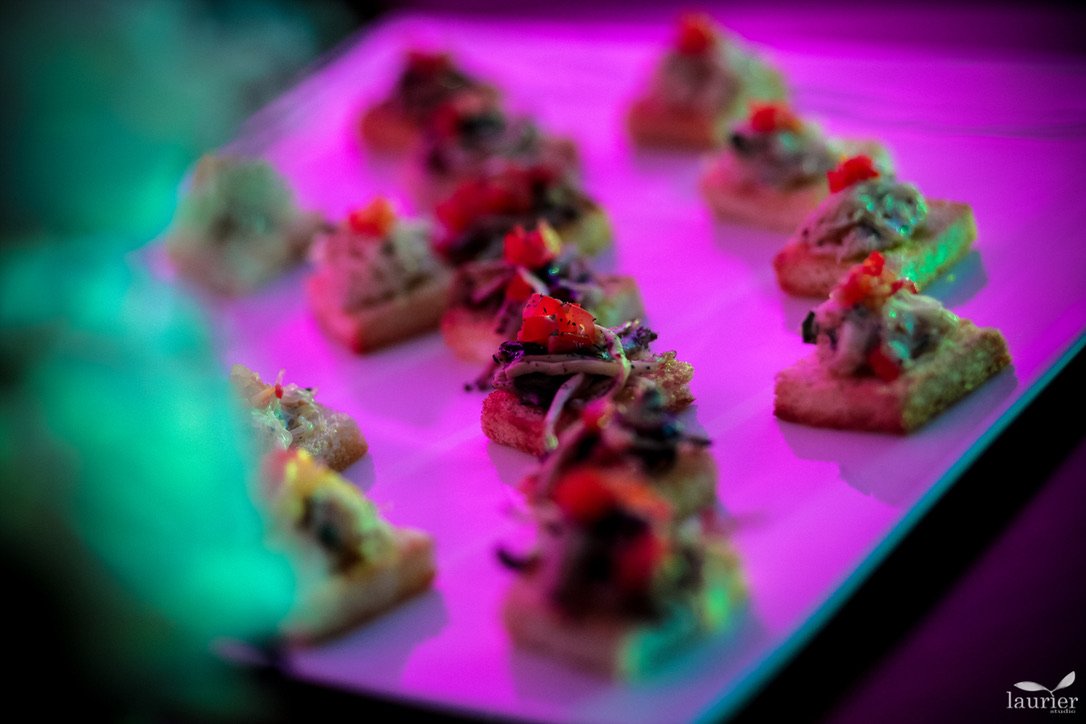
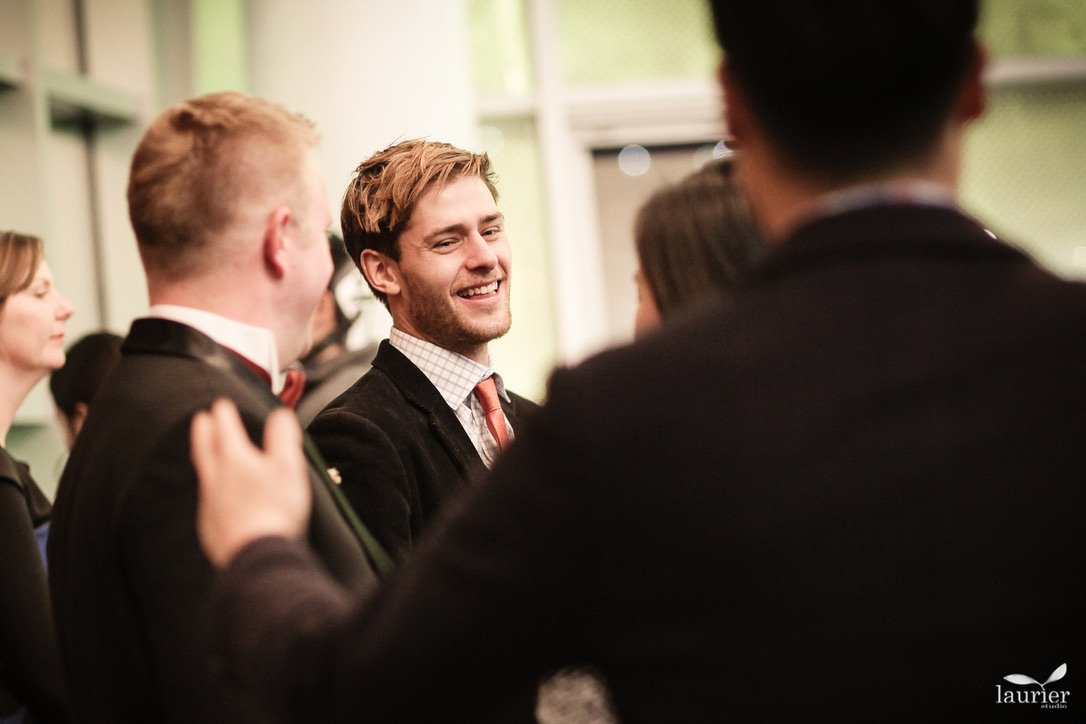
Cocktail hour usually sits between the ceremony and the reception. Brides' cocktail hour guide describes it as a loose social stretch of about an hour for drinks, bites, conversation, photographs and taking in the space. It is also the time that keeps guests from being left alone while the couple is photographed.
The Knot's 2025 collection of ideas and real examples from Martha Stewart Weddings suggest devices such as live music, Polaroids, games and signature drinks. The point is not to pack in a programme but to make sure food, drink, seating and the cue for what comes next are visible the moment guests arrive.
Reception: room to breathe between the formal moments
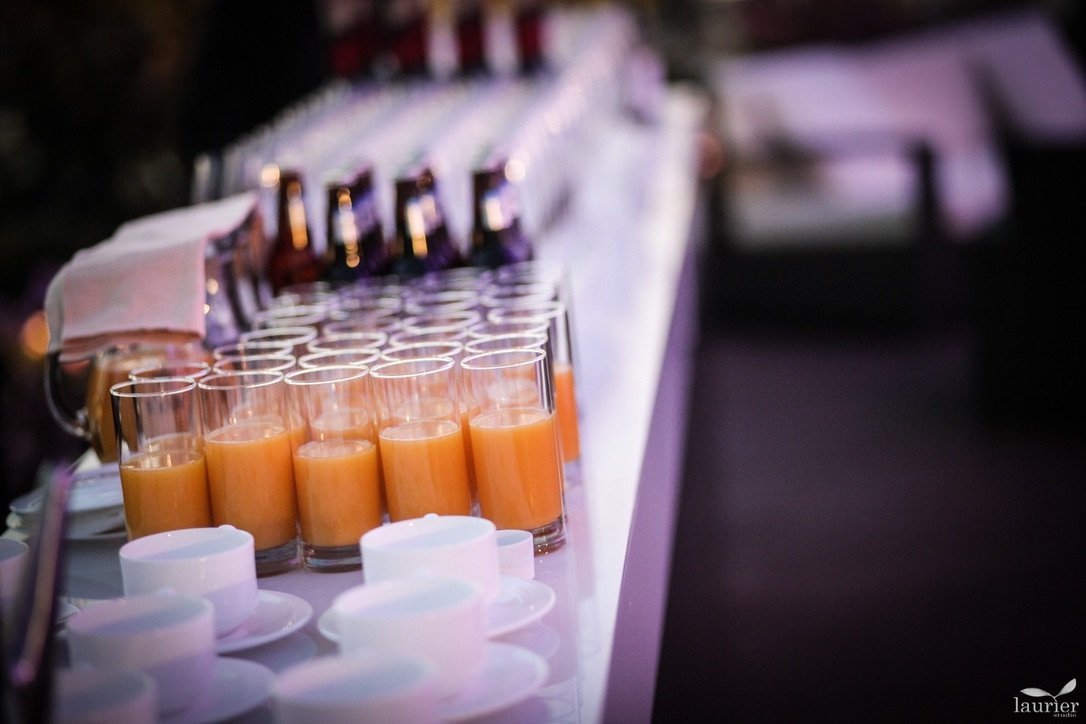
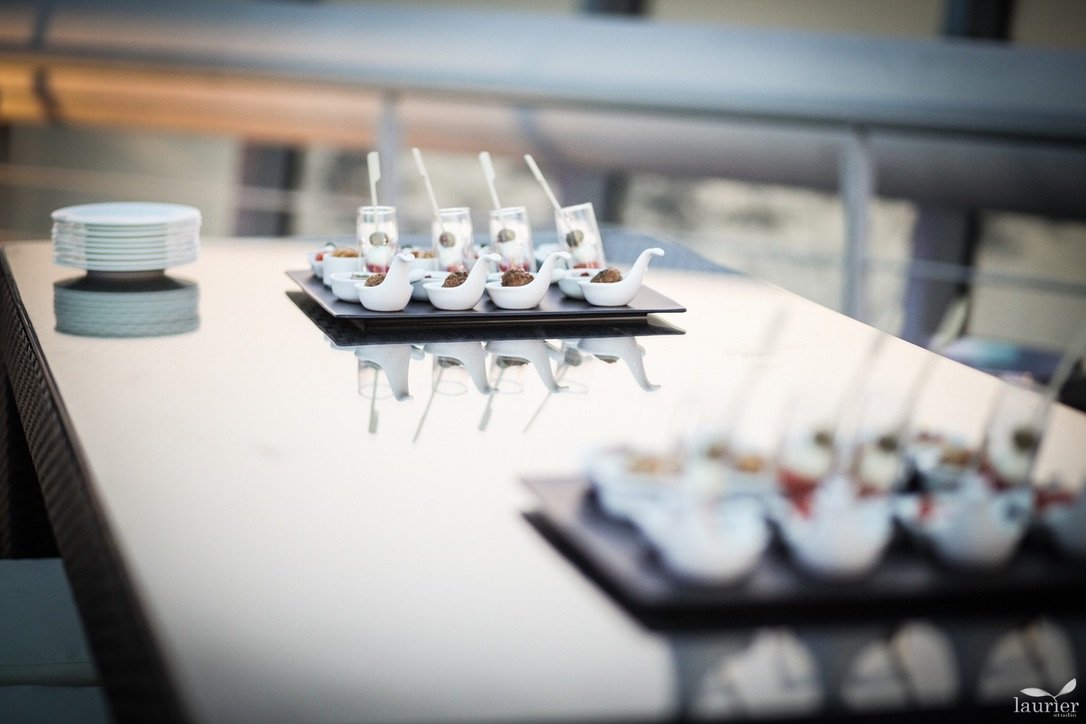
Brides' 2026 wedding timeline raises the energy in order: entrance and first dance, dinner, short toasts, family dances, open dance floor. Keep the toasts short and follow the last formal dance with fast music, and the guests who were watching join in naturally.
A good transition is not made by an announcement alone. Lower the lights a little, change the tempo of the music and have staff show guests where to go. With a generous time slot of three hours or more, it is better to protect unbroken stretches of conversation, food and dancing than to string every tradition together.
After-party: a second reception scene
Brides' after-party examples and Vogue's planning and etiquette guide describe a different mood after the reception — faster music, late-night food, easier lighting — while noting it is not obligatory. The same venue or a space close by keeps the energy from draining on the way; if guests have to travel, plan shuttles and the ride home too.
Hitched's 2025 guide lists extending at the same venue, a nearby bar or private room, or an outdoor tent, and stresses water, late-night food and a realistic end time. Do not assume every guest will stay: give a formal close and a chance to say goodbye first, then move to open attendance.
How it differs from the Korean after-gathering
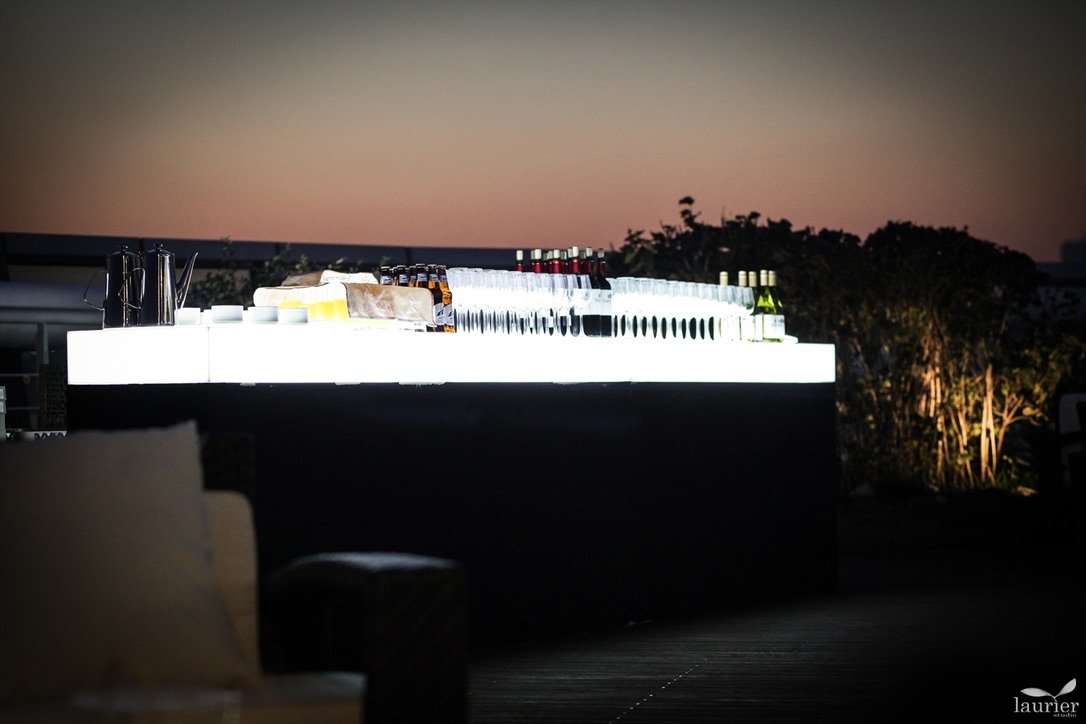
Both cultures relax with close friends and carry on talking after the formal part. But where the Korean "dwitpuri" often means a fairly spontaneous second round at a nearby restaurant or bar, the after-party the publications above describe is closer to a second reception scene, with venue, music, late-night food and transport written into the wedding timeline in advance. This is a difference in how things tend to be run, not a fixed national rule.
Taking the Marina Park garden as a hypothetical example, one could hold a 60-minute cocktail hour in the garden and, after dinner and toasts, move to a separate space in the same area. Before doing so, check the wet-weather alternative, the cut-off time for outdoor sound, the terms for alcohol and catering, and how guests get home.
What to check when applying this in Korea
| Stage | What to check |
|---|---|
| Cocktail hour | About 60 minutes, non-alcoholic drinks, bites, seating, directions to the restrooms |
| Reception | Length of toasts, the cue between dinner and dancing, a rest area for guests |
| Moving between spaces | Walking distance, the wet-weather route, whether glasses may be carried |
| After-party | Open-attendance notice, water and late-night food, noise limits, end time |
| Going home | Shuttle and taxi pick-up points, safety staff late at night |
Summary
Cocktail hour is the buffer that welcomes guests and opens conversation; the reception is the energy curve of formal moments, food and dancing; the after-party is a second register for those who want to stay. What makes all three work is not lavish decoration but short distances, clear transitions, water and food, and the freedom to leave.
Sources
- The Knot, 22 Wedding Cocktail Hour Ideas That Are Anything But Boring
- Brides, How to Plan the Ultimate Wedding Cocktail Hour
- Brides, The Expert-Approved Timeline You Should Follow on Your Wedding Day
- Brides, 20 Unforgettable Wedding After-Party Ideas to End the Night on a High Note
- Vogue, A Guide to Wedding After-Party Planning and Etiquette
- Hitched, Wedding After Party Ideas: 30+ Ways to Keep the Celebration Going
- Martha Stewart Weddings, 25 Cocktail Hour Ideas from Real Weddings